Your Ticket To The World

P: 610-966-5966 P2: 1-800-327-7207 F: (610) 966-5970
P: 610-966-5966 P2: 1-800-327-7207 F: (610) 966-5970

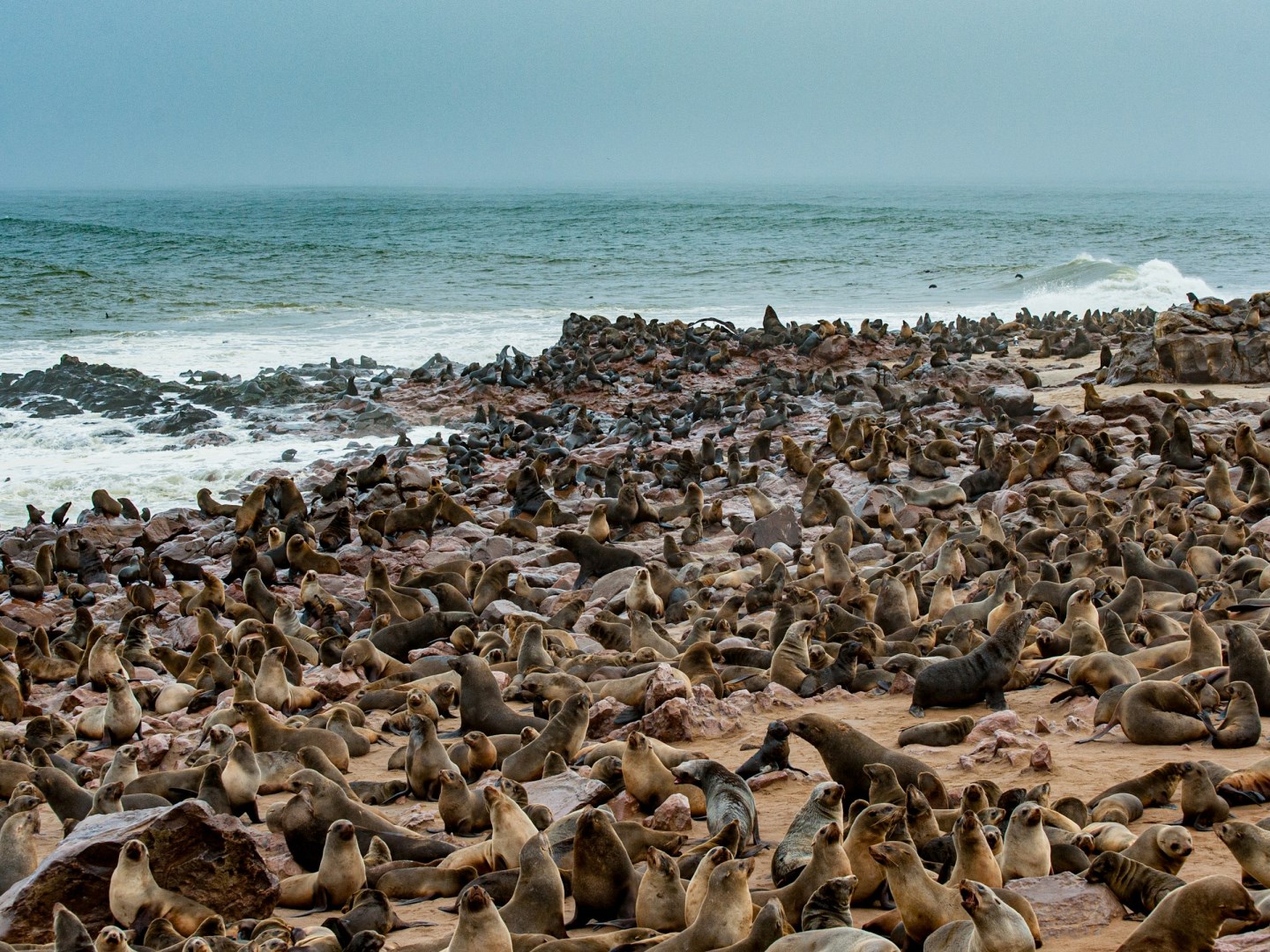
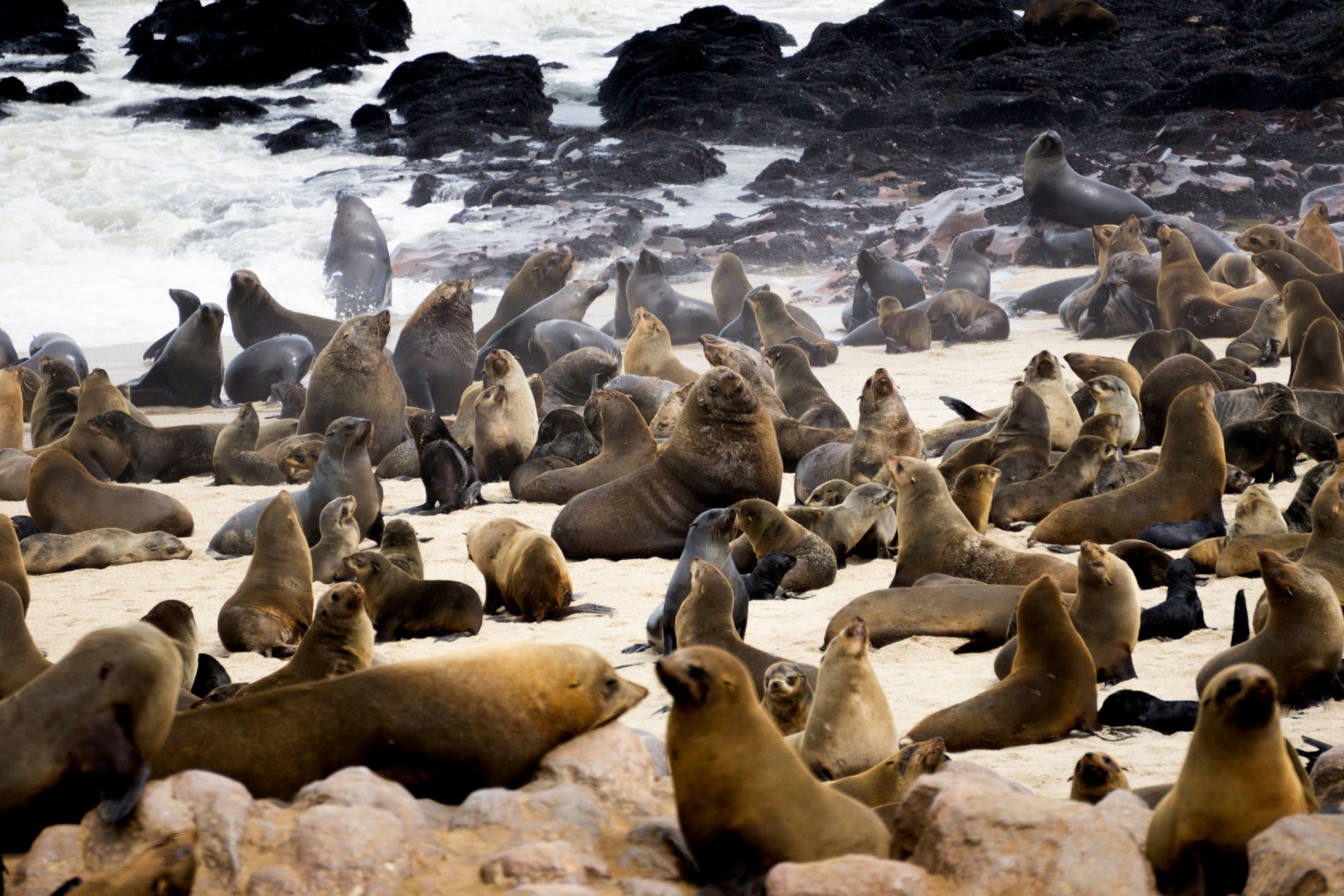
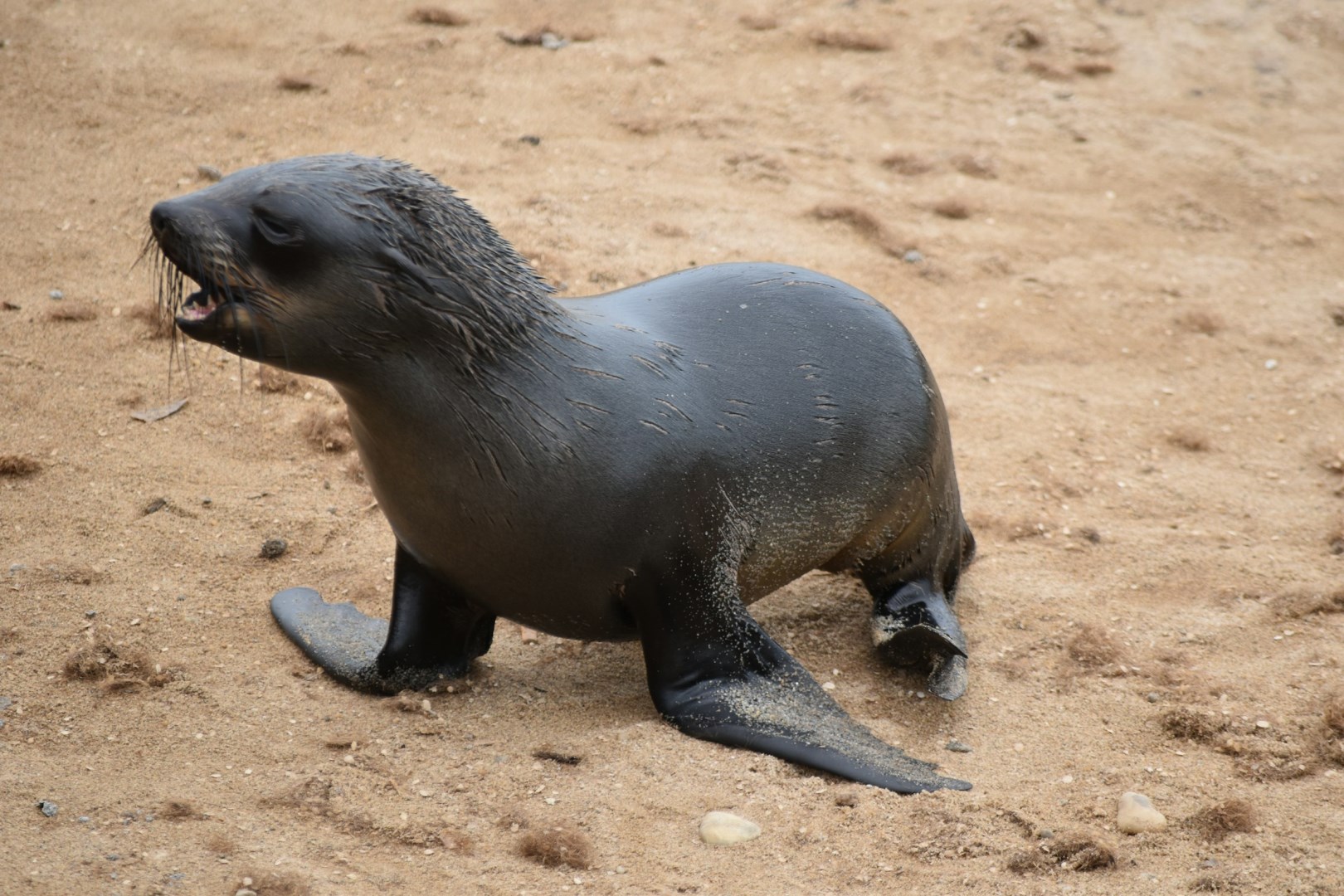
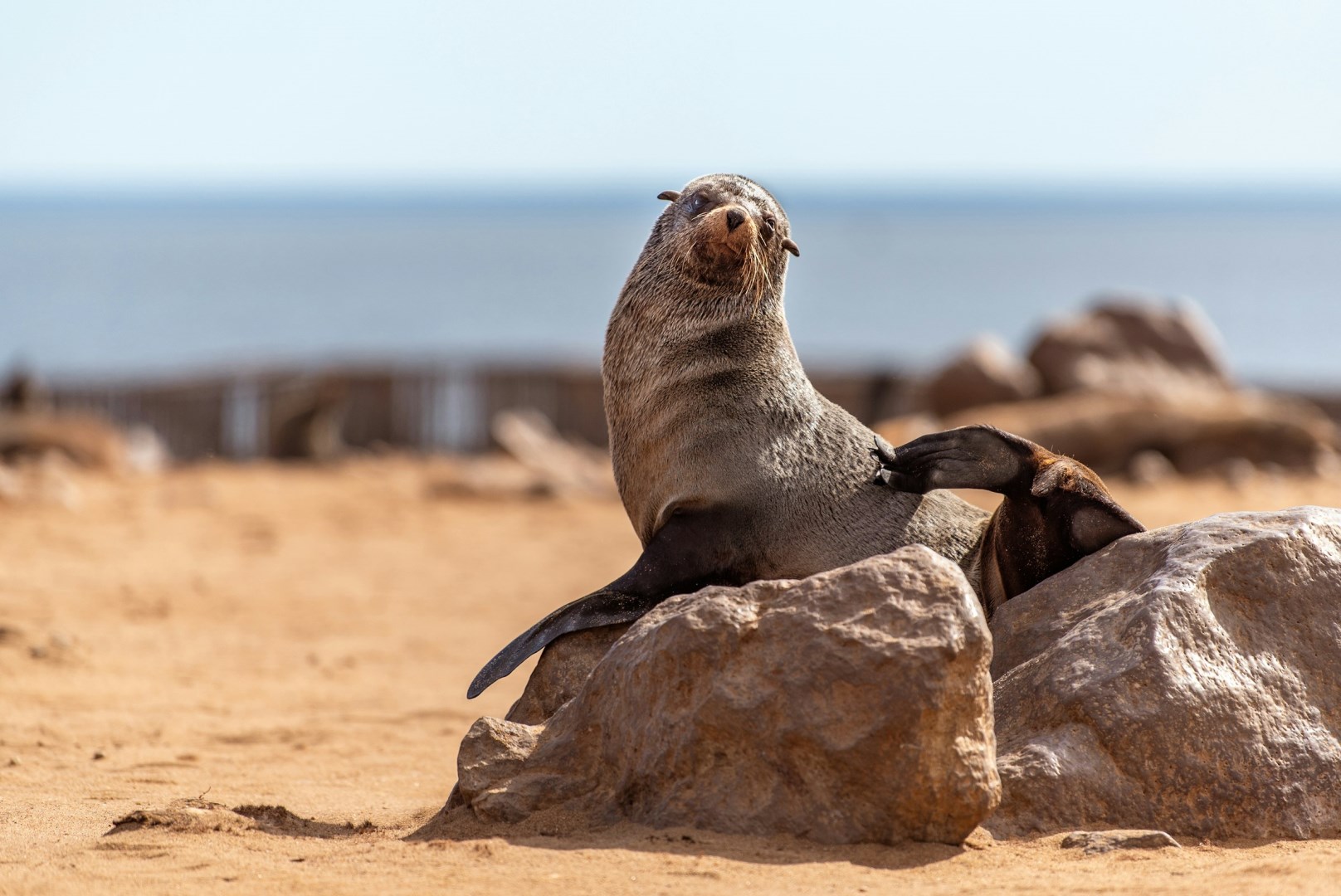
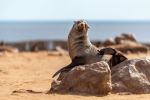
Cape Cross is a remote coastal site on Namibia’s Atlantic shoreline, located within the dry landscapes of the Namib Desert. It is best known for the Cape Cross Seal Reserve, which protects one of the world’s largest breeding colonies of Cape fur seals. The coastline here consists of rocky shores, sandy beaches, salt pans, and sparsely vegetated desert terrain. The cold Benguela Current strongly influences the coastal environment, creating productive marine waters beside an otherwise arid landscape. Cape Cross also lies along the broader Skeleton Coast, a region known for its isolated beaches and harsh desert conditions.
Cape Cross has an important place in Namibia’s maritime history. A Portuguese navigator landed here and erected a stone cross to mark the voyage, and replicas of the original monument remain at the site today. The area was later associated with guano collection and seal harvesting, activities that attracted workers to this otherwise isolated section of coast. The historic significance of Cape Cross is recognized through its designation as a National Heritage Site. Today, the seal reserve combines this cultural history with wildlife conservation, while interpretation facilities provide information about the area's past and natural environment.
The Cape Cross Seal Reserve is the main attraction, with a long walkway providing views of Cape fur seals gathered along the shoreline. During the breeding season, the colony can number in the hundreds of thousands. The surrounding reserve covers rocky bays, sandy beaches, salt pans, and desert vegetation, with lichens forming distinctive patches across parts of the landscape. Birdlife includes flamingos, Damara terns, African black oystercatchers, and several other coastal species. Cape Cross also provides access toward the Messum Crater and Brandberg area, while the Skeleton Coast extends north along Namibia’s remote Atlantic shore.
Cape Cross is not primarily a food destination, but its history is closely connected to the resources of the Atlantic Ocean. The coastal waters support fish and other marine life that sustain the seal colony and contribute to fishing activity farther along the coast. The surrounding desert has very limited vegetation, with hardy plants such as dollar bush and pencil bush adapted to the dry conditions. One of Cape Cross’s most distinctive details is the stark contrast between the enormous seal colony and the nearly barren Namib Desert surrounding it. The combination makes the reserve an important wildlife and heritage site on Namibia’s coast.